Blog

  • The evolution of African fashion

    The evolution of African fashion

    The Evolution of African Fashion

    African fashion has a rich and diverse history shaped by culture, tradition, colonization, globalization, and modern creativity. It reflects identity, heritage, and storytelling through clothing, textiles, and design. Over time, African fashion has evolved from traditional wear to a powerful global influence in the fashion industry.

    1. Traditional African Fashion

    Before colonial influence, African fashion was deeply rooted in culture and community. Clothing was not just for covering the body but also for expressing identity, status, age, tribe, and occasion.

    Different regions developed unique styles:

    • West Africa is known for fabrics like kente, ankara, and adire
    • East Africa is known for the kitenge and leso
    • North Africa features flowing garments influenced by Arab and Islamic traditions
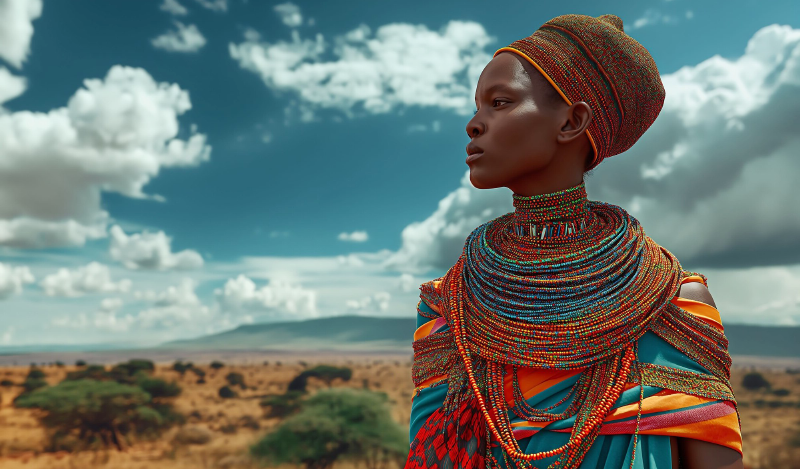
    • Southern Africa uses beadwork, animal skins, and handwoven textiles

    Clothing was often handmade using natural materials such as cotton, leather, and plant fibers.

    2. Influence of Colonization

    During colonization, African clothing traditions were affected by European styles and materials. Western clothing became more common in schools, workplaces, and cities. However, traditional fashion was not completely replaced.

    Instead, many Africans began blending Western clothing with traditional fabrics, creating unique hybrid styles that still exist today.

    3. Post-Independence Fashion Identity

    After independence, many African countries experienced a cultural revival. Fashion became a way to reclaim identity and pride.

    Designers began promoting African textiles and patterns as symbols of independence and heritage. Traditional fabrics were redesigned into modern outfits such as suits, dresses, and formal wear.

    4. Rise of Contemporary African Fashion

    In recent decades, African fashion has grown rapidly on the global stage. Designers from countries like Nigeria, Kenya, Ghana, South Africa, and Senegal have gained international recognition.

    African prints and styles are now featured in global fashion weeks and worn by celebrities worldwide. Designers mix traditional fabrics with modern cuts, streetwear, and luxury fashion.

    5. Influence of Urban and Street Fashion

    Young Africans have played a major role in shaping modern fashion trends. in cities like Nairobi, Lagos, and Johannesburg blends global trends with African identity.

    Social media has also helped spread trends quickly, giving young designers a platform to showcase their work globally.

    6. Sustainable and Cultural Revival

    Today, there is a growing focus on sustainability and cultural pride. Many designers are returning to traditional fabrics, handcrafting techniques, and eco-friendly production methods.

    It is also being used to tell stories about heritage, community, and social issues.

  • The environmental impact of fast fashion in Kenya

    fast-fashion-pollution-kenya

      • EFFECTS OF FAST FASHION TO OUR ENVIRONMENT         Fast fashion has changed the clothing industry by making trendy clothes cheap and easy to buy. However, it has also created serious environmental problems because clothes are produced quickly, used for a short time, and then thrown away.


      • Many clothes are discarded after only a few uses. Millions of garments end up in landfills every year, and synthetic fabrics can take many years to break down, causing long-term pollution.


      • Fast fashion also uses a lot of

    water

      • . Growing cotton and producing clothes requires large amounts of water. In addition, harmful dyes and chemicals often end up in rivers and lakes, polluting water sources and harming people and animals.


      • The industry also produces high levels of

    carbon emissions

      • . Clothes are made in factories, transported across countries, and sold in stores worldwide. This process uses fossil fuels and contributes to climate change.


      • Another issue is

    microplastic pollution

      • . Many clothes are made from materials like polyester. When washed, they release tiny plastic particles into water systems. These microplastics end up in oceans and can harm marine life.


      • Fast fashion also leads to

    resource depletion

      • . It uses large amounts of natural resources such as water, oil-based materials, and energy. This puts pressure on the environment and reduces resources for the future.


      • It also causes

    land damage and loss of wildlife habitats

      • . Forests and natural areas are sometimes cleared to make space for farming materials or factories, which harms biodiversity.


      • The industry uses a lot of

    energy

      • in production and transportation, which increases pollution and global warming.


      • To reduce these problems, we need to support

    sustainable fashion

      • . This means buying fewer but better-quality clothes, reusing and recycling items, and choosing eco-friendly brands.


      In conclusion, fast fashion may be affordable and convenient, but it has a serious impact on the environment. Making better clothing choices can help protect the planet for future generations.
  • The rise of Kenyan fashion: Style, Culture and Confidence

    The rise of Kenyan fashion: Style, Culture and Confidence

    The Rise of Kenyan Fashion: Style, Culture and Confidence

    Kenyan fashion is experiencing a remarkable transformation, becoming a powerful symbol of creativity, cultural pride, and self-expression. What was once a niche industry has evolved into a vibrant movement driven by talented local designers, innovative brands, and consumers who are increasingly embracing homegrown fashion.

    At the heart of Kenyan fashion lies a rich cultural heritage. From traditional patterns and handcrafted details to contemporary interpretations of African aesthetics, designers are creating pieces that honor the country’s diverse communities while appealing to modern tastes. This fusion of tradition and innovation has given Kenyan fashion a unique identity that stands out both locally and internationally.

    The growth of social media and e-commerce has also played a significant role in elevating Kenyan fashion. Local brands can now showcase their collections to audiences across the globe, allowing consumers to discover authentic Kenyan designs with just a few clicks. This increased visibility has opened new opportunities for designers, artisans, and entrepreneurs, helping the industry thrive.

    Beyond style, fashion has become a source of confidence and empowerment. Wearing Kenyan-made clothing allows individuals to celebrate their roots, support local businesses, and express their personality with pride. Each garment tells a story of craftsmanship, resilience, and creativity, making fashion more meaningful than simply following trends.

    The rise of Kenyan fashion is also contributing to economic growth by creating jobs, supporting local manufacturing, and encouraging sustainable production practices. As more consumers choose locally made products, they help strengthen the industry and promote a culture of innovation and self-reliance.

    Today, Kenyan fashion represents more than what people wear—it reflects who they are. It is a celebration of culture, a statement of confidence, and a testament to the talent and vision shaping the future of African fashion. As the industry continues to grow, Kenyan fashion is proving that style can be both globally relevant and deeply rooted in local identity.

    Wear your culture. Support local talent. Celebrate Kenyan fashion. 🇰🇪✨

    #KenyanFashion #MadeInKenya #ProudlyKenyan #FashionCulture #AfricanFashion #SupportLocal #KenyanStyle #FashionIndustry #WearKenya #StyleWithPurpose

  • Hello world!

    Welcome to WordPress. This is your first post. Edit or delete it, then start writing!